

Plastic HVAC ducts for automotive assemblies
At Premier Plasmotec Private Limited, our Indian engineering, tooling, moulding and quality teams work together on plastic components. Our four-wheeler portfolio includes HVAC and interior component examples. For a duct programme, we establish the exact air path, interfaces and process scope before quoting the component or completed assembly.
Define the HVAC application and supply boundary
Provide the duct drawing, assembly model and installed position. Identify the inlet, outlet, connections, seals and mounting points. State whether the supply is one moulded shell, a joined duct or an assembly with fittings and other supplied items.
HVAC ducts and engine intake-manifold components have different functions and specifications. Tell us which air path the part serves, which components are included and which manufacturing or assembly operations you need.
Review the installed condition
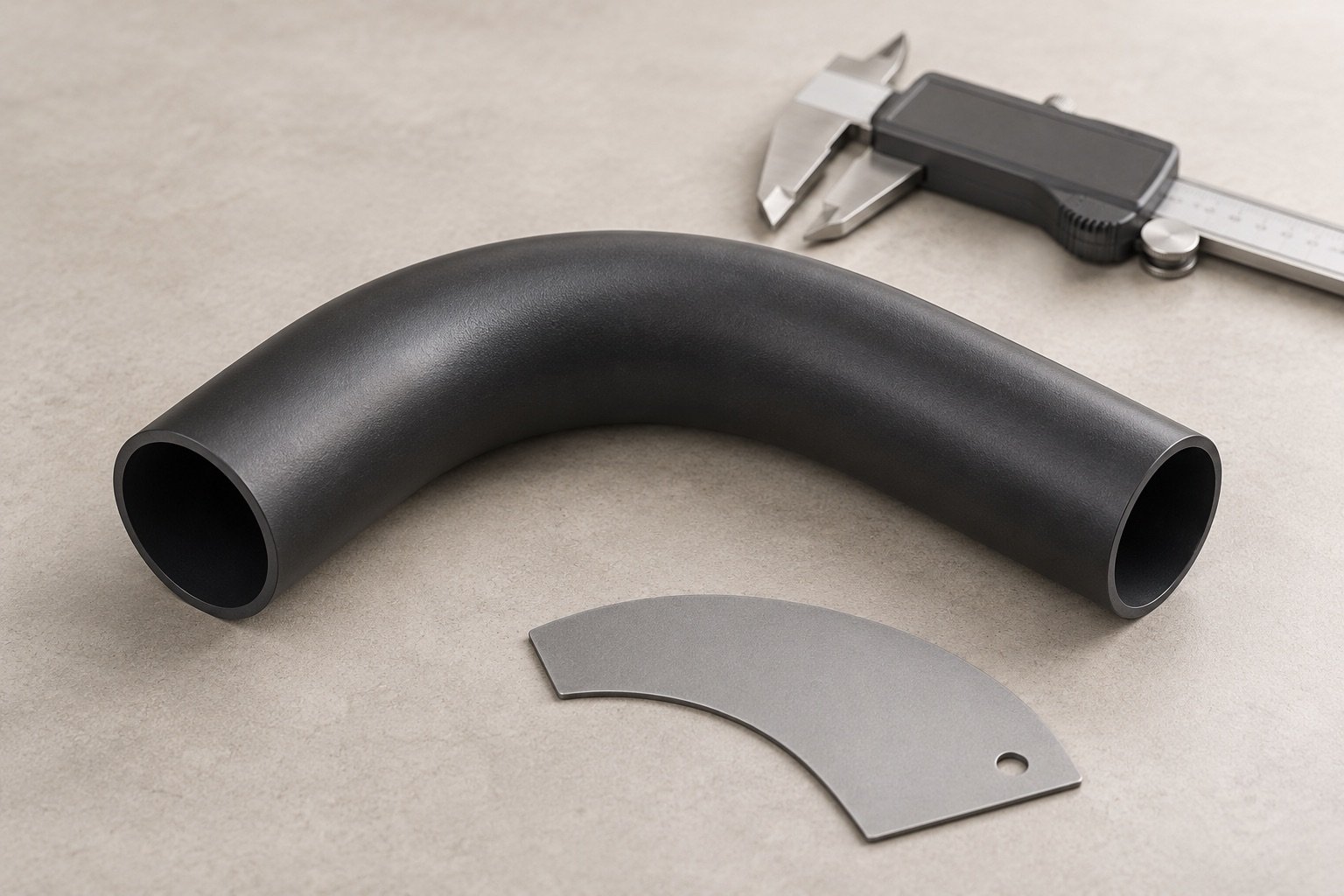
The duct’s envelope should be assessed with the mating interfaces and adjacent vehicle parts. Include assembly direction, access and service requirements where relevant. Identify which features locate the duct and which require clearance or compliance during installation.
Specify datums, tolerance requirements and the condition in which fit is measured. A flexible component may need an agreed fixture or assembled reference. The method should reflect the function rather than leaving inspection to an uncontrolled visual comparison.
Choose and prove the manufacturing route
Review material, wall geometry, tooling, parting arrangement and any completion operations. A multi-piece duct may need joining and assembly controls in addition to moulding. Another hollow-part route may suit a different geometry; the process should be assessed against the actual design.
Premier’s published manufacturing and secondary-operation material includes moulding and joining capabilities. Their availability does not establish that every duct can use every route. Agree the component-specific process, fixtures and acceptance evidence during feasibility review.
Connect the specification to the test plan
State applicable airflow, leakage, temperature, noise, mechanical or other customer requirements. For each one, identify the test method, conditions, sample state and acceptance limit. We do not publish generic performance values for all HVAC ducts.
Agree which requirements are initial validation and which are routine controls. For joined parts, identify how the operation and finished assembly are checked. Results should refer to the actual drawing revision, construction and material.
Start a duct manufacturing review
Send controlled component and interface data, material requirements, volume, tooling status, customer test specification, packaging and milestones. Identify the parties responsible for design approval, bought-out components and change control.
For a transfer or correction programme, include the existing tool condition, known failures and available measurements. This helps the team identify whether the issue belongs to the design, tool, process or assembly. Current process allocation and part-specific evidence remain confirmation items before serial supply is committed.
Continue the engineering review
Detailed HVAC duct specification guide
Review hollow-part process options
Injection moulding and assembly interfaces
Discuss the part with our team
Start with the application, drawing status, material, demand and programme timing. Ask how to share confidential files.