

Motorcycle windscreens and fly screens, made in India
We are Premier Plasmotec Private Limited, an Indian manufacturer connecting product engineering, tool making, plastics processing, assembly and inspection. Our public component portfolio includes motorcycle windscreens and fly screens. For a new programme, we begin with the screen’s function, mounting geometry and destination market, then agree the manufacturing and validation route.
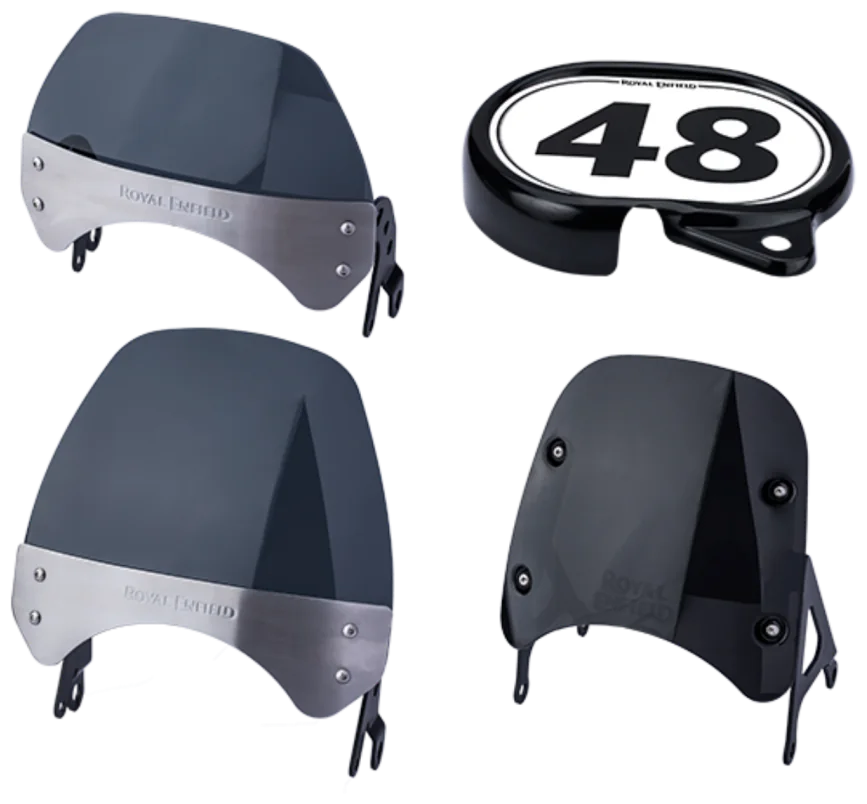
A manufacturing network behind the component
Our documented Indian network includes Faridabad, Tapukara, Bangalore, Mysore and Hosur. Faridabad brings tool-room and plastics-processing capabilities together; the appropriate production location is agreed around the component and programme. Kharkhoda appears in our expansion records, and its current process readiness should be confirmed for a specific enquiry.
Public recognition provides a useful view of our wider automotive programme history. Honda Cars India recognised Premier Plasmotec Private Limited for spare-parts delivery, quality and cost for 2024–25, with the recognition dated 23 June 2025. Suzuki Motorcycle India recognised the same company for Special Support in Supply Chain during 2025. These are company-level records; they do not identify the customer for the windscreen examples shown here.
Company records: Honda Cars India recognition and Suzuki Motorcycle India recognition.
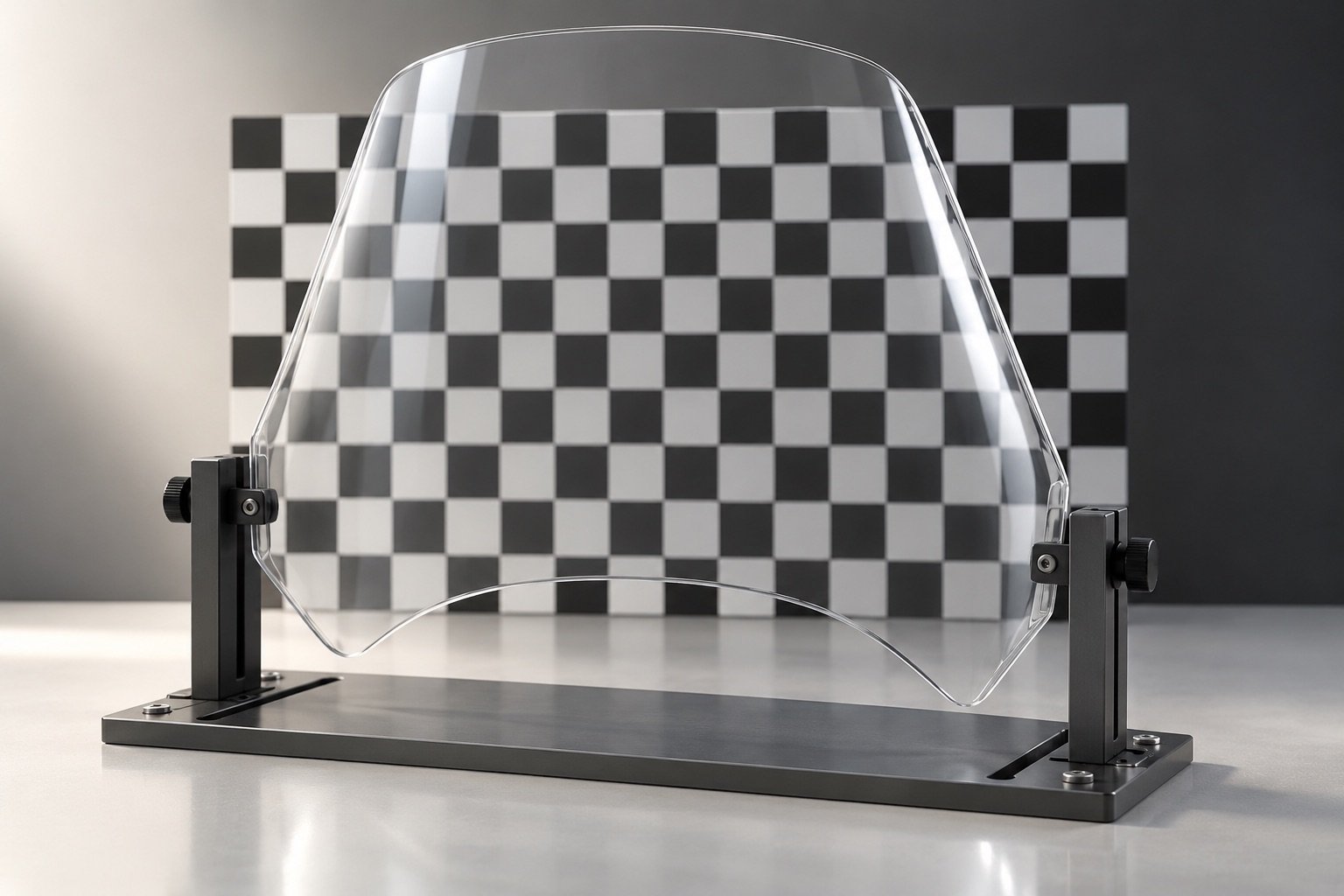
Start with the right meaning of “visor”
A motorcycle windscreen or fly screen mounts to the vehicle. A helmet face shield attaches to a helmet. Both may be called a visor in a sourcing enquiry, but the mounting conditions, viewing area, validation requirements and regulatory questions differ. The examples on this page concern vehicle-mounted screens.
Tell us whether the rider normally looks through the screen or over it, where the screen sits relative to the headlamp and instruments, and how it is supported. A drawing should identify the rider’s viewing region, mounting holes, edge details and any printed or opaque areas. These inputs help keep cosmetic decisions from obscuring functional requirements.
Define the screen before defining the tool
The first review should connect the 3D surface to a controlled drawing. Overall curvature alone is insufficient: local thickness, fixing positions, unsupported spans and the assembled condition all affect the specification. Provide the vehicle interfaces or mating parts as well as the screen model.
The material grade, colour and light-transmission requirement need explicit agreement. A resin family name does not define the finished screen’s performance. If the drawing allows alternative materials, each alternative should be evaluated with the intended coating, forming or moulding route and validation plan. We do not publish a universal thickness, resin grade or optical tolerance for every programme.
Tooling review should address the visible surfaces, parting arrangement, handling points and features that locate the screen during secondary operations. Agree the appearance standard using a controlled sample, lighting conditions and inspection zones. This makes an acceptance decision more repeatable than a general request for a premium finish.
Hard coating belongs in the product specification
Our latest corporate presentation describes an automated spray-based hard-coating capability for visors. The coating specification still needs to be matched to the exact substrate, screen geometry and exposure conditions. A hard coating should not be described as scratch-proof, and a process description alone does not establish a finished product’s compliance.
For an RFQ, identify the surfaces to be coated, masked areas, allowable appearance defects and the required abrasion, adhesion, weathering and optical assessments. State the test methods, conditioning, acceptance limits and sample quantities. Ask for evidence for the actual material-and-coating combination rather than transferring a result from an unrelated part.
Export programmes: agree the glazing requirements early
For the United States, begin with the applicable glazing classification and installation. NHTSA’s motorcycle-windshield interpretation points to FMVSS No. 205 for motorcycle glazing. The applicable tests, markings and manufacturer identification must be established for the exact product. The US system uses manufacturer certification; a general claim that the government has approved a windscreen would be misleading.
For an export programme, agree the product classification, relevant test reports, marking artwork and certification responsibilities for the exact screen and installation. Requirements differ by destination market; the programme review should establish which ones apply.
What to send for a windscreen manufacturing review
Send the part and assembly drawings, 3D model, target market, annual and peak demand, proposed material, colour and finish, mounting details, packaging requirements and programme dates. Include the required test specification and any reference sample that defines appearance.
If the design is still being developed, identify the decisions that remain open. A feasibility discussion can then separate geometry changes, tooling work, coating trials and validation evidence. For an existing tool transfer, add the tool condition, past part measurements, process history and ownership arrangements. Ask our team how to share confidential drawings through an agreed channel.
Glazing references for the engineering review
NHTSA motorcycle-windshield interpretation; 49 CFR 571.205 glazing standard. Confirm applicability and certification responsibility for the exact product.
Continue the engineering review
Hard coating for plastic parts
Prepare a complete component RFQ
Discuss the part with our team
Start with the application, drawing status, material, demand and programme timing. Ask how to share confidential files.