Bicycle helmet manufacturing for OEM programmes
We are Premier Plasmotec Private Limited, an Indian manufacturer with engineering, tooling, plastics processing and assembly capabilities. Our public company history and Journal material describe export-oriented helmet manufacturing. A bicycle-helmet programme needs a defined product, destination market and validation responsibility; it is separate from our vehicle-mounted motorcycle windscreen scope.
Define the helmet and the intended market
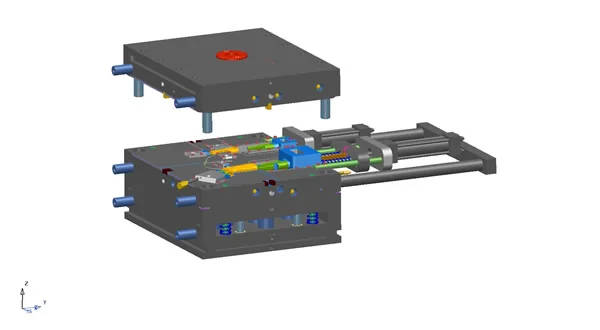
State the intended activity, user group, size range and destination markets. Supply the product specification and applicable standard requirements through the customer’s compliance process. Different helmet uses and markets should not be combined under a generic export-approved claim.
Identify who owns the design, who controls changes and which party is responsible for product certification, marking and release. A manufacturing capability description does not establish that a new model has passed its required tests. We do not publish a blanket certification claim for every helmet programme.
Agree the construction and supply boundary
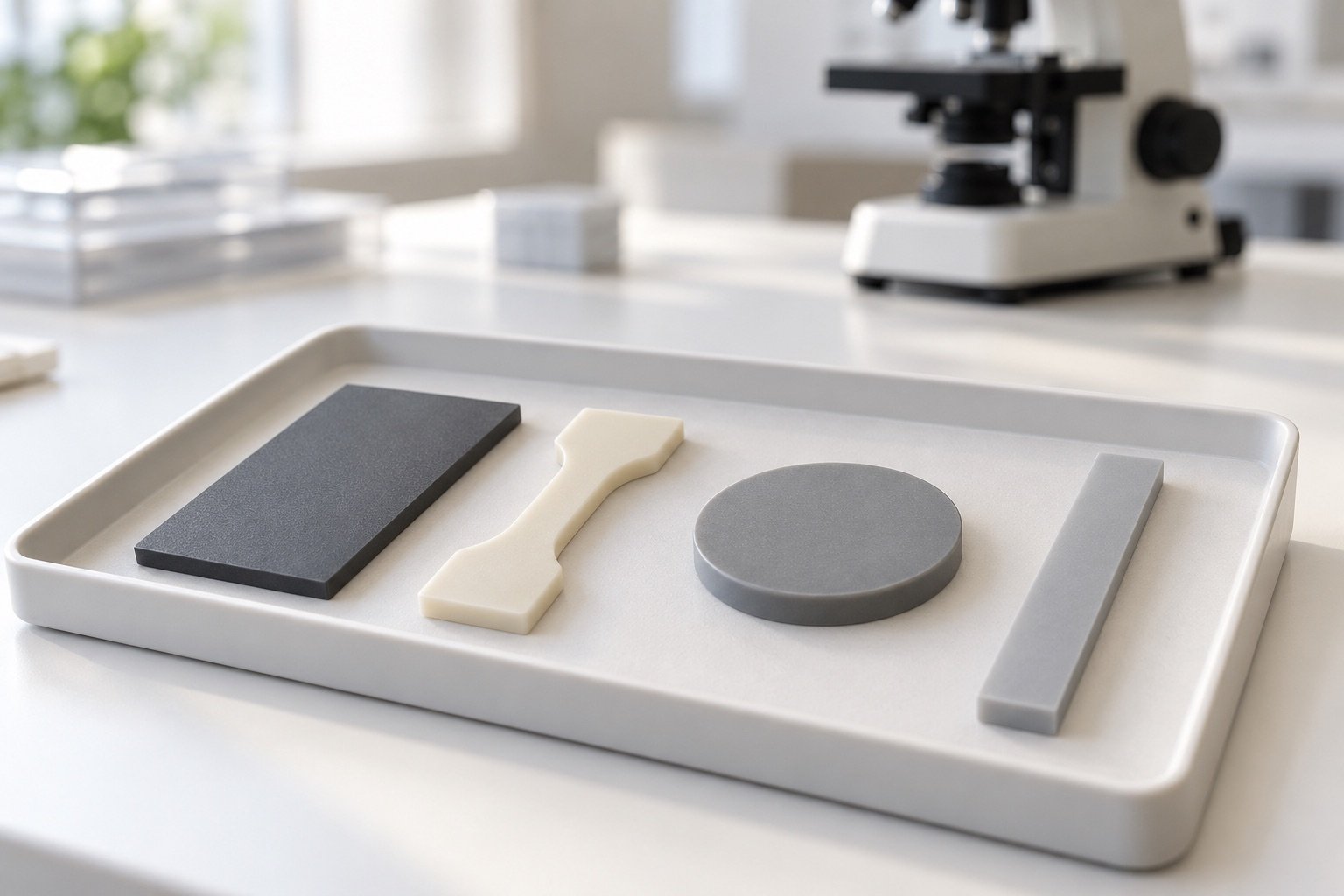
Provide the shell, energy-management, retention, comfort and accessory requirements for the actual design. Identify customer-owned drawings, tooling and nominated bought-out items. Confirm which components and assembly operations are within Premier’s current offered scope before the quotation is treated as complete.
If a reference sample is supplied, explain whether it defines appearance, fit, size or construction. Record the approved design and acceptance requirements rather than relying on an uncontrolled sample as the only authority.
Design for repeatable assembly and identification
Review component interfaces, retention attachment, size identification and assembly controls with the responsible engineering team. Define how missing or incorrect components are detected and how the completed product is linked to its approved configuration.
Agree cosmetic standards for visible surfaces, graphics and packaging alongside functional requirements. Brand artwork and customer logos need the appropriate rights and approval. An existing customer relationship or a source image should not be treated as permission to use a new brand on a proposed product.
Validation belongs to the exact model and configuration
The validation plan should identify the model, size or configuration, applicable requirements, test methods, samples and acceptance criteria. Define the submission and approval process before production release. A test report for another model or construction should not be presented as proof for the proposed helmet.
Changes to material, component suppliers, geometry or assembly should follow the agreed review and revalidation procedure. Maintain identification of the tested construction and the released production revision so procurement, manufacturing and compliance records remain connected.
Prepare the OEM manufacturing enquiry
Send the design package, intended use, markets, size range, construction requirements, forecast demand, tooling status, test requirements, packaging and milestones. State whether you need development, tooling, components, assembly or complete-product supply.
Discuss the helmet model, intended market, production scope and required validation with our team. The quotation should identify the components and operations included, together with the evidence needed for that model.
Continue the engineering review
Plastic-component manufacturing
OEM manufacturing RFQ checklist
Discuss the part with our team
Start with the application, drawing status, material, demand and programme timing. Ask how to share confidential files.